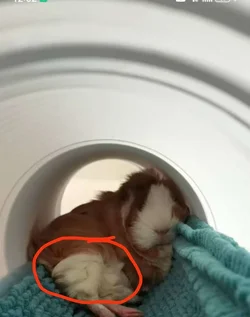
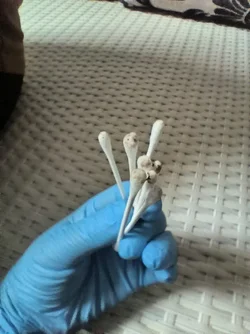
Well now I am utterly confused as to what pradofloxacin in September/october has got to do with being on nystatin now for her black ears.
I get that she may have been taking pradofloxacin back in September/october for cystitis and that it cured the black ear issue as well, but i thought you said she was on the nystatin (fungal treatment) now for the black ears.
If the pradofloxacin cleared her black ears back months ago then I don’t know why it is being mentioned now that she still has black ears and is on nystatin (which won’t treat a bacterial issue).
Either way, I hope you can get your piggy sorted.
There is nothing more I can advise as I cannot follow what is wrong with your piggy and what medication she is taking right at this moment.
Let me organise my thoughts and explain.
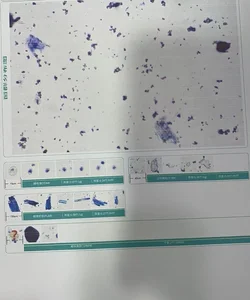
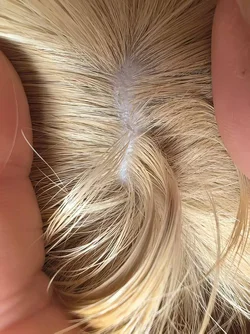
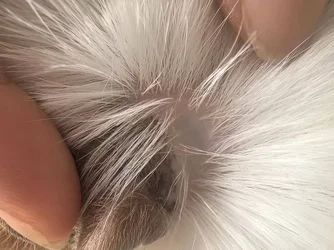
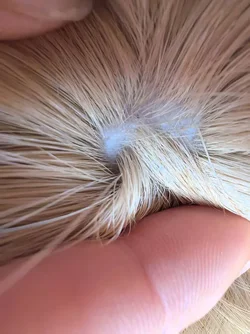
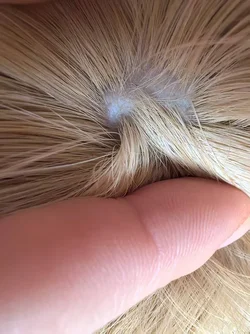
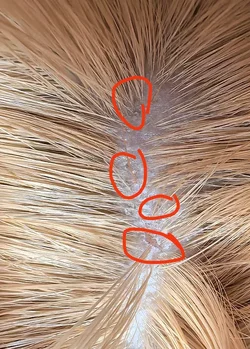
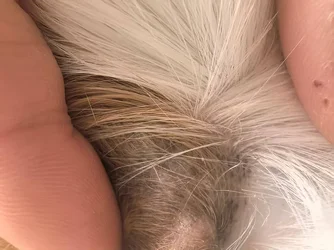
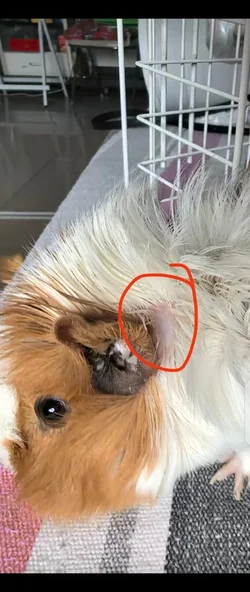
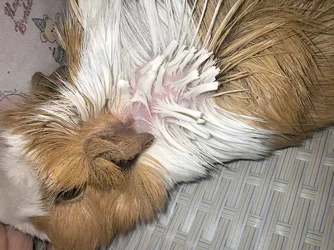
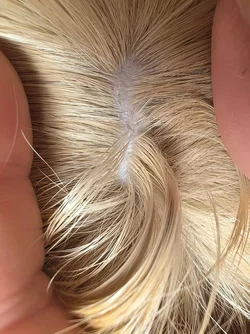
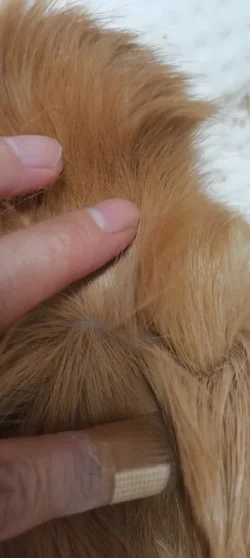
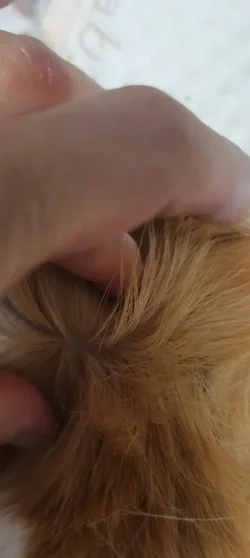
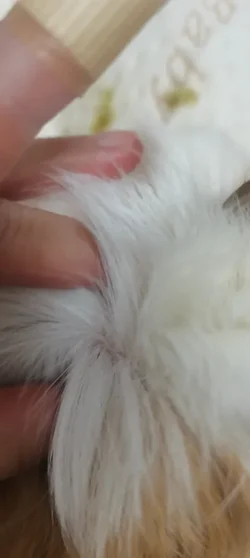
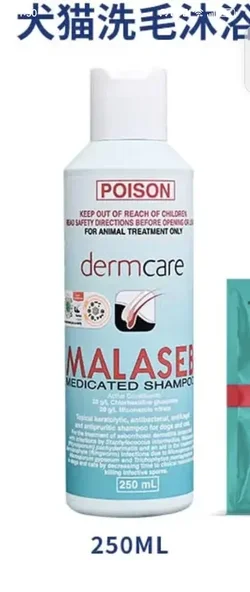
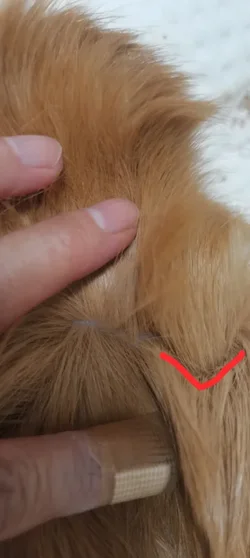
Shortly after recovering from his first bout of cystitis, he relapsed. I noticed he was in such pain he couldn't sleep, so I immediately conducted a urine test. It showed strongly positive red blood cells, negative white blood cells, and confirmed the bacterial infection was caused by cocci. I strongly advised immediate treatment. However, the vet disagreed, insisting that without positive white blood cells, it couldn't be cystitis. I was furious and promptly consulted other vets online. The new vet prescribed enrofloxacin antibiotics. During treatment, I observed severe adverse reactions (unbeknownst to me at the time, these stemmed from the antibiotic), including life-threatening gastrointestinal distension that brought him to the brink of death. I rushed him to hospital, where subcutaneous fluid therapy sustained him, though his condition showed no improvement. Later, I discovered the vet was still administering enrofloxacin injections. I changed clinics again. This time, the vet prescribed the antibiotic levofloxacin, combined with butorphanol and subcutaneous fluids. However, his condition improved for only a day and a half before he developed hind limb weakness and an inability to open his eyes. I took him back for further treatment. Noticing she remained in distress after each return home, I suggested switching pain relief to carprofen. Subsequently, whether due to medication or frequent hospital visits, her skin developed abnormalities (as seen in your photograph, which you described as resembling a fungal infection). After consulting the vet, she assured me there was no cause for concern, stating it was neither fungal nor parasitic. I shared the forum's skin care guidelines with her. She suggested trying a bath and deworming, so I administered the worming treatment. I also noted her stools had softened. The vet continued the injection regimen, cleaned her ears, and applied a compound nystatin ointment. I couldn't determine whether the symptom relief stemmed from the Verapamil injections, the ointment, or the worming effect. Subcutaneous fluid therapy was subsequently discontinued. The vet prescribed meloxicam, Verapamil, cisapride, and simethicone ointment, advising home administration. After a week of self-medication at home, I sought a follow-up to assess improvement. However, her hind legs remained weak, preventing her from standing. She frequently lay motionless after defecating, and her hindquarters were persistently damp. Consequently, on 15th October, I transferred it to this hospital, which claims specialisation in guinea pig care. However, the facility only offered X-ray imaging and lacked professional urinalysis equipment. After taking the X-ray, the doctor deemed its condition stable with no other issues. Nevertheless, wishing to confirm the effectiveness of the anti-inflammatory medication, I collected a urine sample that evening and sent it to our regular laboratory for analysis. The results showed: negative for white blood cells and red blood cells in the urine, but epithelial cell shedding was present. Although the cocci indicator value had decreased, it remained positive. This confirmed that the levofloxacin had alleviated the urinary tract issue. However, the abnormal finding was a severe positive for cocci in the faeces, with a positive cocci-to-bacilli ratio. I forwarded the results to the specialist guinea pig veterinarian, who advised discontinuing the enrofloxacin, believing the inflammation had subsided. However, the testing laboratory insisted the inflammation persisted and medication should continue. Following the specialist's advice to stop the medication, I observed the guinea pig was still in severe pain. After consulting the veterinarian, I learned that as long as dehydration was avoided and daily water intake was maintained at 80-100 millilitres, meloxicam could be administered orally. During this period, I administered oral rehydration salts to meet the prescribed water intake, continued daily meloxicam dosing, and used a manual syringe to feed Emeraid, Oxbow Critical Care, URINCARE HAY POWDER, and Jointcare HAY POWDER. Before returning to Vancouver, I performed external parasite treatment and administered antifungal/antibacterial medicated baths. Daily weight monitoring was maintained. On 5th December, I personally cleaned her ears and applied a nystatin compound. On 6th December, I administered an Ivermectin injection locally. On 12th December, urine and faecal samples were retested. Faeces were entirely normal, indicating restored intestinal function. However, urine revealed increased red blood cells (below positive threshold) and a positive cocci result. The vet indicated persistent bacterial infection (due to cocci positivity), though airborne bacterial contamination during urine collection could explain the positive result. He did not advise on continuing antibiotics, leaving me uncertain whether to continue Veraflox. Research confirms this is a fluoroquinolone antimicrobial: 1. Contraindicated in cats allergic to fluoroquinolones; contraindicated in cats with persistent joint cartilage damage, as it may exacerbate the condition. Prasufloxacin may increase skin sensitivity to sunlight; therefore, sun exposure should be minimised during treatment. Co-administration with substances containing metal cations—such as antacids, sucralfate, multivitamin preparations, or dairy products—may reduce absorption. concomitant use with theophylline alters its metabolism, elevating plasma theophylline concentrations; co-administration with digoxin may increase digoxin's oral bioavailability. Therefore, concomitant use with the aforementioned substances or medications is contraindicated. Due to potential pharmacodynamic interactions within the central nervous system, cats with a history of epilepsy must not receive this product concurrently with non-steroidal anti-inflammatory drugs (NSAIDs). In the absence of compatibility studies, this product must not be combined with other veterinary medicinal products.
I had thought I'd found a suitable antibiotic for him, but now I really dare not administer it casually. Should I give it to him? His current weight is 1040 grams. I attempted to discontinue meloxicam midway, but found his weight decreased and he became less active after stopping the medication.




 I hope I haven't disturbed you.