Hi and welcome
Youngsters grow fast but the mainstay of their diet needs to be unlimited grass/grass based hay fibre which should make over three quarters of the daily food intake.
1 cupful of fresh, preferably green veg with a slice of pepper and/or fresh forage, 1 tablespoon of pellets or dry forage and any naughty extra treats all together only replace the supplementary role that wild forage used to have in the grass based guinea pigs have evolved on as a species.
You can switch around between veg, dry food and treats re. calcium once you filter your water. The most calcium in the UK actually comes in the generally hard water and secondly with pellets - even no added calcium pellets still contain more calcium weight for weight than the veg highest in it, kale. However cutting out all calcium can also lead to sludge and calcium pees because there is a soft spot for the perfect dietary balance in the diet which varies a little from place to place.
Too much sugar in the diet (via fruit, root veg and starchy grain) can promote the overgrowth of the wrong kind of digestive bacteria in the gut and can lead to a higher incident risk of dysbiosis (severe killing bloat); root veg are too rich and sugary as well - carrot is like feeding block chocolate to a guinea pig.
You can feed a little more high calcium veg by cutting down on your pellets or leave them out completely. The higher calcium in greens and kale is connected with magnesium (which is not in any pellets) and higher vitamin C content; a strip a week is all that is needed. Spinach should only ever be a treat. Herbs can be used in small amounts but not daily apart from a sprig of cilantro/coriander herb; they are however a great source of trace elements and make a good enrichment treat every now and then.
Here is our comprehensive diet guide, which looks at all food groups both in their role in an overall diet and in practical detail for each food group:
Long Term Balanced General And Special Needs Guinea Pig Diets
What you have to be aware of when overfeeding fresh veg and pellets is that you promote fast growth but that this stage will stop sooner because it is linked to reaching a certain percentage of the genetically determined ideal individual weight and size. From then on in weight gain happens in spurts. Continual over-feeding will increasingly lead to the life-shortening accumulation of yellow fat around the inner organs and to overweight or even obesity.
A good mainly hay and not veg/fruit and pellet based diet can add in my own practical experience 1-2 years to a healthy life span and also promote overall better general health. It means that you can enjoy your piggies for longer - surely an goal worth a diet review.
PS: What we have on our side is long term ownership reaching back around half a century and nearly 20 years of collective forum experience with literally tens of thousands of food questions. All our long term members only rarely have a bladder stone or other diet related problems these days and haven't had them for a fair number of years.
We also have a very helpful information resource for new owners for a good start in terms of care and learning what is normal or not and what to do in case of an emergency. Literally hundreds of thousands of questions have gone into our easy to follow very practical how-to advice; including plenty of tips for all the more common 'little questions' that come up with new ownership. Here is the access link, which you may want to bookmark for browsing, reading and re-reading at need as you will pick up on different things at different levels of experience:
Getting Started - Essential Information for New Owners
I fully agree with
@Piggies&buns posts.


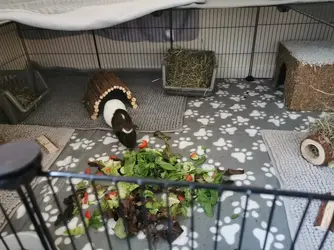
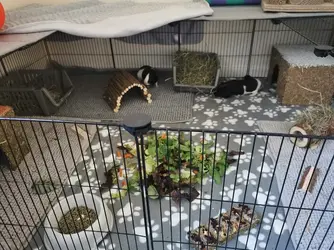


 they absolutely love Dandelion leaves too