• Discussions taking place within this forum are intended for the purpose of assisting you in discussing options with your vet. Any other use of advice given here is done so at your risk, is solely your responsibility and not that of this forum or its owner. Before posting it is your responsibility you abide by this Statement

Please help me, I am really helpless,

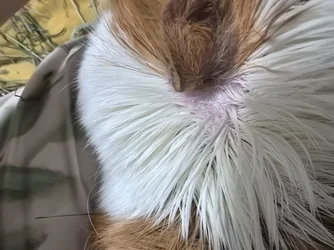
A bald patch behind the ear is normal 🙂
No, he was infected with both fungi and bacteria. Now there is a lot of hair removal, and the itching is unbearable. The infection is from bacteria, from bacterial infection of the bladder and fungal infection of the skin.
 
No, he was infected with both fungi and bacteria. Now there is a lot of hair removal, and the itching is unbearable. The infection is from bacteria, from bacterial infection of the bladder and fungal infection of the skin.

Was the fungal infection formally diagnosed by a vet in the hour since you posted asking what to do?
If so then you just need to keep up with the treatment as your vet prescribed.
Depending on what you are dealing with you may also need to keep up with cage disinfection - there a lots of different types of fungal infection, some more infectious than others.

I thought you said your piggy had interstitial sterile cystitis which is why we had the discussion about glucosamine. If she does have sterile cystitis then she does not have a bacterial bladder infection.

(Cystitis is a bacterial bladder infection and treatment is antibiotics and painkillers.

Sterile cystitis is not bacterial. Management (not a treatment for a cure) is glucosamine and painkillers likely lifelong)
 
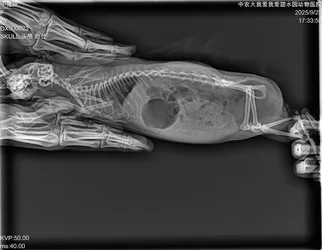
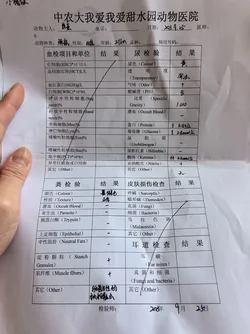
We have experienced a recurrence of bacterial infection, affecting either the bladder or urinary tract. The doctor noted granular casts, cocci, and a small number of white blood cells in the urine test report. This coccal infection has persisted for approximately 15 days. She frequently grinds her teeth due to pain and exhibits urination or defecation movements without passing anything, or only a minimal amount of urine. When we first experienced cystitis, she recovered, but within two weeks the pain recurred. I administered meloxicam at home, but it proved ineffective. Recent urine tests indicated abnormal kidney function. I did not arrange blood tests, suspecting the bladder issue caused gas accumulation—severe abdominal distension posing a life-threatening risk. Thus, only emergency nutritional support, opioid injections for pain relief, and subcutaneous fluid administration were administered. The vet confirmed bacterial infection in the urine, but each injection only provided temporary relief; the pain persists afterwards. Last night I administered 0.7mg meloxicam myself, which seemed to improve his condition considerably when combined with probiotics. The vet prescribed metronidazole, doxycycline, enrofloxacin, metoclopramide, and dimethicone. I'm concerned about his bladder pain and wish to add meloxicam, but fear adverse reactions from these medications. I also wish to incorporate Cystaid. I have forwarded his ultrasound and laboratory results to you, as I fear veterinarians may only be accustomed to examining cats and dogs and may not recognise bladder sludge. Therefore, I humbly request that those truly skilled in interpreting imaging studies kindly review this X-ray and offer some advice and guidance. My sincere gratitude to all.
IMG_20250926_134036.webpIMG_20250926_134024.webpmmexport1758796298242.webpmmexport1758796291885.webp
 
As we have explained to you previously in your other threads, none of us are vets (this is just an owners forum) and therefore there isn’t anyone who can read the x-rays and we can’t decipher the reports.

Meloxicom will only provide temporary relief - it will wear off within 12-24 hours so it needs to be repeatedly dosed once or twice a day, depending on how it’s prescribed by your vet.

Meloxicom will not cause any adverse reaction with the other medications.
Antibiotics and painkillers are prescribed all the time. Your piggy is being given a lot of antibiotics.
Probiotics are used to help combat the effects of the antibiotic on the digestive system (probiotics are nothing to do with the painkillers)
 
As we have explained to you previously in your other threads, none of us are vets (this is just an owners forum) and therefore there isn’t anyone who can read the x-rays and we can’t decipher the reports.

Meloxicom will only provide temporary relief - it will wear off within 12-24 hours so it needs to be repeatedly dosed once or twice a day, depending on how it’s prescribed by your vet.

Meloxicom will not cause any adverse reaction with the other medications.
Antibiotics and painkillers are prescribed all the time. Your piggy is being given a lot of antibiotics.
Probiotics are used to help combat the effects of the antibiotic on the digestive system (probiotics are nothing to do with the painkillers)
Thank you very much,Having observed muddy-like substances and crystals in his urine, my piglet has been in tremendous pain for what seems like an extended period, yet no vet has informed me whether the X-rays revealed these findings. It appears Chinese veterinarians may never have encountered the term "bladder sludge". The vet did not recommend pain relief, though I've observed he is in considerable distress. Additionally, might metronidazole and doxycycline be mutually exclusive options? Enrofloxacin kills many bacteria, and my little pig is very uncomfortable. I've read that GI protects the stomach. I'd like to ask: if I have GI probiotics, is it unnecessary? Because every day, apart from taking medicine, he just takes medicine. He's already very annoyed with me. He doesn't like taking medicine and is very resistant, but his stomach bloating has twice been life-threatening.
 

Attachments

  • wx_camera_1758900542921.webp
    wx_camera_1758900542921.webp
    48.6 KB · Views: 1
Then may I ask, if I administer probiotics, would it be unnecessary to continue with ranitidine (Zantac) at 2-5mg/kg orally every 12 hours? This is because he has been on a substantial course of antibiotics, compounded by my earlier procedural error, which has resulted in gastrointestinal bleeding.
 
Your piggy is taking three different antibiotics - only your vet can tell you their reasoning behind that.

As I said in your other thread, Sludge and crystals can need surgical removal if it isn’t coming out on its own.

Zantac is a medication to help with the bloating. It is essential your piggy is given it. It is not the same as probiotics. You must continue to give the Zantac unless your vet tells you to stop.

Probiotics can help replace the gut bacteria destroyed by the antibiotics. This is just a supplement, not a medication.

You need to give the antibiotics until your vet tells you to stop.

If your piggy is in pain, then you need to see the vet urgently.

Are you weighing her every day?
Is her weight stable?
 
Also to add - you mentioned simethicone.
We do not recommend the use of simethicone in guinea pigs as it gathers gas into one big bubble.
Guinea pig guts are long and thin and one big bubble makes gas more painful for them
 
I'm currently at my vet's, and he hasn't mentioned it to me. Regarding taking Zantac, I asked about this medication because I learnt about it on Guinea Lynx ::. Additionally, the vet didn't advise me to use doxycycline for him either; I brought it up myself because he's always had a significant amount of cocci. He doesn't fully understand these matters, but he will follow our recommendations and instructions.
 
Also to add - you mentioned simethicone.
We do not recommend the use of simethicone in guinea pigs as it gathers gas into one big bubble.
Guinea pig guts are long and thin and one big bubble makes gas more painful for them
Also to add - you mentioned simethicone.
We do not recommend the use of simethicone in guinea pigs as it gathers gas into one big bubble.
Guinea pig guts are long and thin and one big bubble makes gas more painful for them
Good heavens, I've noticed it too. It actually makes things worse rather than better. It's terribly uncomfortable, but I can't fathom why this treatment for bloating is so commonly prescribed with simethicone over here in China.
 
Your piggy is taking three different antibiotics - only your vet can tell you their reasoning behind that.

As I said in your other thread, Sludge and crystals can need surgical removal if it isn’t coming out on its own.

Zantac is a medication to help with the bloating. It is essential your piggy is given it. It is not the same as probiotics. You must continue to give the Zantac unless your vet tells you to stop.

Probiotics can help replace the gut bacteria destroyed by the antibiotics. This is just a supplement, not a medication.

You need to give the antibiotics until your vet tells you to stop.

If your piggy is in pain, then you need to see the vet urgently.

Are you weighing her every day?
Is her weight stable?
My little piglet—I've weighed it regularly—is now at 920g.
Actually, I think it's quite straightforward—perhaps my description has complicated matters for the vet. The urine test indicates a bacterial infection caused by cocci. For this specific issue, what medication would be suitable for him to take?
 
As I have explained to you many times, we are not vets, we don’t know what medication is needed. Legally only a vet can diagnose and treat.
Your vet needs to determine which antibiotic is needed for the bacteria in question.
 
(Ps I have merged your new thread back in with your original thread so all the background is in one place)
 
(Ps I have merged your new thread back in with your original thread so all the background is in one place)
I sent him the X-ray of the bladder sludge and asked the vet to confirm whether it was present and to what extent. The vet said the sludge occupied half the bladder. In this situation, should he be given medication to pass it, or does he require anaesthesia and surgery to insert a catheter?
 
It’s for your vet to decide.
All I can say is usually tightly packed sludge won’t come out on its own and surgery would be needed
 
My veterinarian can't operate on him, he can't do this kind of bladder sludge operation, so I would like to ask you from the perspective of experience, but I have already seen him excrete it.
 
My veterinarian can't operate on him, he can't do this kind of bladder sludge operation, so I would like to ask you from the perspective of experience, but I have already seen him excrete it.

I don’t know what you mean by this - I am not a vet.
As I said, sludge that is packed tightly in there will not come out enough on its own, even if you are seeing some come out it doesn’t mean all of it will

For her bladder to be half filled with sludge sounds to me to be a pretty urgent situation.

If your vet can’t do anything to help, then I’m afraid we can’t suggest anything else other than trying to find a vet who can

I know I have linked this thread in several times before, but please read the section regarding sludge

Wiebke's Guide to Pees and Stones

In this case, won't the other sludge in the body be removed as well?

What other sludge in the body? I’m confused by that.
 
Now my guinea pig has been diagnosed with bacterial infection, cystitis, and there are a lot of cocci in the urine. It is currently taking enrofloxacin. After taking it for three days, I found that it is very painful. I found that meloxicam may not be very effective. Do you have any better painkillers to recommend?
 
Now my guinea pig has been diagnosed with bacterial infection, cystitis, and there are a lot of cocci in the urine. It is currently taking enrofloxacin. After taking it for three days, I found that it is very painful. I found that meloxicam may not be very effective. Do you have any better painkillers to recommend?

Meloxicom is the most commonly prescribed painkiller/anti-inflammatory.
Its effectiveness is going to depend on the dosage which is calculated based on your piggy’s weight and clinical need. It also depends on whether it is being given once or twice a day and whether it is cat version (0.5 mg/ml) or dog version (1.5 mg/ml).
We cannot comment on what dosage is most needed for your piggy - only a vet can prescribe the dose.

There are much stronger painkillers which can be given but we cannot comment on whether they would be appropriate in your situation.
 
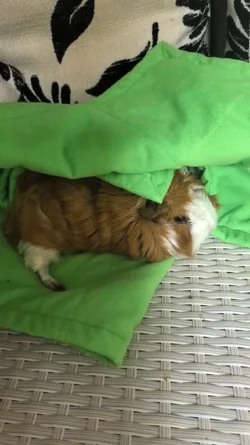
The vet administered buprenorphine to alleviate her pain and advised me to avoid administering meloxicam whenever possible. He stated this medication may cause gastric ulcers and lead to gastrointestinal distension. However, today her weight has suddenly dropped to 870 grams, down from 920g just five days ago! I still wish to administer a 0.5ml dose of feline meloxicam. Previously, I attempted a 0.7ml dose but the effect seemed inadequate. I considered trying a 1ml dose, but the vet advised against meloxicam if she shows no obvious pain. Judging solely by her weight, her current condition appears rather poor. She now seems restless, frequently covering herself with objects. My vet suggested continuing butorphanol injections, but I'm reluctant to proceed this way! I'd appreciate your advice on a better course of action.
 
That is a 50g drop which means she isn’t eating enough, pain could well be the reason behind it.

Meloxicom is well tolerated and we see many piggies on here on it for long term conditions. I don’t think we have ever seen a gastric issue because of it. It can cause kidney issues in cats but piggies metabolize and tolerate meloxicom much better (than cats do) due to their fast metabolism.

Bupe is a strong opioid painkiller which can really space piggies out.

However We cannot advise you to do anything other than what your vet tells you
 
I believe butorphanol is not particularly well-suited for guinea pigs, as it has been administered via injection for seven consecutive days. I am considering switching to caprofen. Currently, the guinea pig does not drink water voluntarily; it must be offered the water bottle right to its mouth before it will drink, and it always lies down to drink rather than standing up. I fully understand that you cannot offer any advice beyond that of a veterinary surgeon. I merely wish to hear your perspective, as my vet has indicated he has no prior experience treating guinea pigs. However, he will consult your advice and the veterinary community's expertise to provide better care. After all, veterinarians are not specialists in guinea pigs. I know her well, and over the past couple of days, I've clearly noticed weakness from her armpits down to her legs. When I hold her, she feels extremely limp. I'm unsure why. She can still stand and walk on her own, but she's very weak and lacks strength. My vet also doesn't know the cause.
 
I've been feeding her via intensive care. I can't fathom why she resists so fiercely. I've even resorted to force-feeding with a syringe, but she thrashes her head violently, forcing me to hold her down—though this is terribly cruel to her. Four days ago, the vet's X-ray showed ovarian cysts and minor bladder crystals, but no uterine enlargement. I strongly suspect its lethargy stems from the ovarian cysts. Additionally, I've noticed it constantly chews its fur—specifically the fur on both sides of its hindquarters. Having read online descriptions of ovarian cysts, its symptoms seem strikingly similar. My questions are: could an ovarian cyst grow significantly in a short period, perhaps due to hormonal influences? Also, what constitutes an acute ovarian cyst episode? Oh, and one crucial detail—today I noticed her abdomen and flanks have visibly sunken in, whereas before they were noticeably rounded. I'm unsure what this might indicate.
 
Yes cysts can grow quickly. They are caused by hormones.

Biting the hair at her sides can indicate that she is in pain/discomfort in that area.

Being limp is hugely of concern. It can mean anything from being in a lot of pain or it could be due to her body closing down. As I have said it’s impossible for us to know

We can only give very general advice:
If she has an infection she needs antibiotics and painkillers.
If she has sludge and crystals then she could need a bladder flush
If she has ovarian cysts then she could need to be spayed

We cannot give advice to your vet - it’s not our place to do so. I know it’s hard that you don’t have knowledgeable vets in your area but not one of us can do that - it’s against the law for anybody other than a qualified vet to diagnose a treat.
 
I understand, my veterinarian said to give him another dose of carprofen if, if his bacterial infection and pain have not improved, he is most likely an active cyst, so he will be given Suprelorin.
 
The veterinarian asked me if it showed any signs of being in heat, but I didn't know what signs of being in heat were, but when I washed his butt the other day, I found a white thing stuck in his butt, and when I blew on the hair around his butt, He will jump up like popcorn, and there will be "ee, ee, ee" sounds, and I found that he needs to change places to sleep every 10 minutes, and he often hits his nest with his head and bites the hair on both sides of his buttocks. Is there a sign of mating when the cyst enlarges?
 
Back
Top