It’s good you now have a definitive diagnosis of sterile IC and ovarian cysts.
You had mentioned the presence of bacteria, sludge and stones many times so it was getting confusing as to what was the actual issue.
I have once again added the guide which explains treatment of sterile cystitis as it is a long term condition.
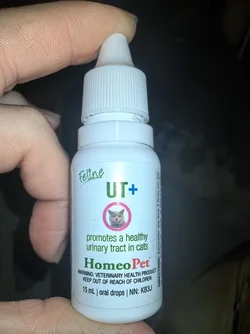
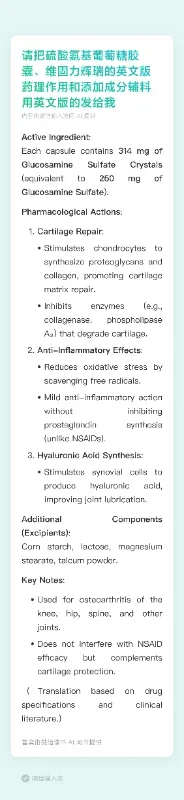
Glucosamine for cats is frequently used as a treatment for sterile cystitis. It is the one you will find commonly mentioned and used on the forum. There is not one specifically for guinea pigs.
You will need to find what works and is available for you.
Wiebke's Guide to Pees and Stones
And yes Hair loss on the sides is a typical symptom of ovarian cysts. Biting at the sides can be indicative of pain due to the cyst. It’s something to monitor.
I hope she will now be ok with the appropriate treatments
Now that I recall this experience, it is enough to prove that most doctors simply do not know about the aseptic cystitis of guinea pigs, so many guinea pigs eventually sacrificed their lives on this. Now I'm pretty sure she's aseptic cystitis, as for ovarian cysts, you're right, it's just a manifestation of inflammation, inflammation once the disease is cured, there is any abnormality, but please understand For a novice, in this medical situation, Really, I did my best. For the first time, he had bleeding from sterile cystitis, and the hospital couldn't find the cause of the bleeding. At that time, his abdomen was very beautiful, without any signs of inflammation or effusion. As a result, the time was wasted, and then a B ultrasound was done. There was effusion in her uterus. The endometrium of the ovary has also thickened, and her weight has decreased. Even so, the hospital does not give her medicine because they are convinced that her white blood cells have not crossed the red line, and although her red blood cells have crossed the red line, there is no obvious ovarian cyst in her body. So if it weren't for your help here and my insistence on giving him antibiotics and painkillers, I believe she wouldn't have made it this far, and he fell out of bed two days ago and his bones are still fine.
It’s good you now have a definitive diagnosis of sterile IC and ovarian cysts.
You had mentioned the presence of bacteria, sludge and stones many times so it was getting confusing as to what was the actual issue.
I have once again added the guide which explains treatment of sterile cystitis as it is a long term condition.
Glucosamine for cats is frequently used as a treatment for sterile cystitis. It is the one you will find commonly mentioned and used on the forum. There is not one specifically for guinea pigs.
You will need to find what works and is available for you.
Wiebke's Guide to Pees and Stones
And yes Hair loss on the sides is a typical symptom of ovarian cysts. Biting at the sides can be indicative of pain due to the cyst. It’s something to monitor.
I hope she will now be ok with the appropriate treatments
Looking back on this experience now, it serves as proof that most veterinarians are fundamentally unaware of aseptic cystitis in guinea pigs. They have indeed never heard of aseptic cystitis, let alone its aseptic variant. They are equally ignorant of interstitial cystitis, leading to many guinea pigs ultimately succumbing to this condition. I am convinced she suffered from pyelonephritis at the time. As for the bilateral fur-chewing behaviour, I still require further observation. Should the ovarian and uterine fluid accumulation resolve once the bacterial infection subsides, it may indicate her ovaries were never abnormal—all symptoms stemming from bladder issues. If so, everything becomes perfectly clear. Throughout this journey, I did indeed assume the role of a doctor, as veterinarians seldom delve into such complexities. These were the daily puzzles I pondered at home, crucial to saving her life. But please understand: facing such a complex condition, as a novice, I gave it my utmost effort. During the initial episode, the pyelonephritis triggered haemorrhaging, yet the hospital failed to identify the cause. At that time, abdominal examinations revealed no abnormalities—no signs of inflammation or fluid accumulation—resulting in precious time being squandered. Subsequent ultrasound revealed only uterine fluid, thickened ovarian endometrium, and weight loss. Despite this, the hospital refused medication, insisting her white blood cell count hadn't reached critical levels. Though her red blood cell count was elevated, the cause remained undiagnosed. Had you not intervened promptly to support me, and had I not resolved to administer antibiotics and pain relief, I believe she wouldn't have survived to this day. More worryingly, she fell from her bed two days ago, yet no fractures were detected. I often half-jokingly tell my mother: caring for guinea pigs is more demanding than tending to the ancestors (here, "ancestors" is used adjectivally).